

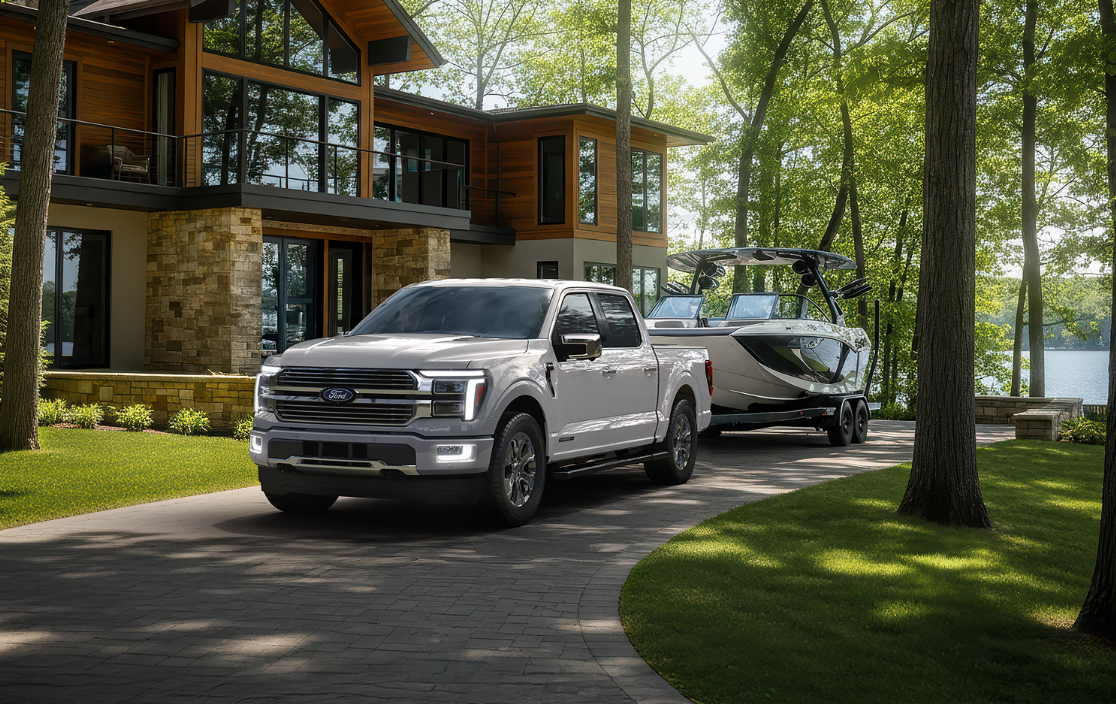
If you’ve been following F-150 updates, you already know the 2026 model isn’t getting a complete makeover. Ford took a different approach this time around, focusing on refining what works and making technology more accessible. After spending considerable time with both model years at John Kennedy Ford Jenkintown, what strikes us most isn’t radical change but smart improvements in areas that matter when you’re actually driving every day.
The 2026 Ford F-150 updates fall into three key areas: better technology access, subtle design tweaks, and performance adjustments that make the truck feel more responsive. Whether these changes are worth choosing the newer model over a 2025 really depends on what you prioritize and how you’ll actually use your truck. Let’s break down what changed and what didn’t.
Breaking Down the 2026 Ford F-150 Updates
Key Technology and Performance Updates
Ford tackled the 2026 model year with surgical precision instead of flashy overhauls. The fundamental truck stays the same: identical platform, proven capability, same engine choices. What evolved were the small details that shape your daily experience behind the wheel.
Three changes matter most in real-world driving. BlueCruise hands-free technology now reaches down to XLT trim, when before you needed Lariat or higher. SYNC 4 got software improvements that make screen transitions and navigation inputs noticeably quicker. The transmission and throttle received new calibrations that deliver smoother acceleration during highway merging and steadier behavior when towing through Pennsylvania’s rolling hills.
Exterior, Interior, and Configuration Changes
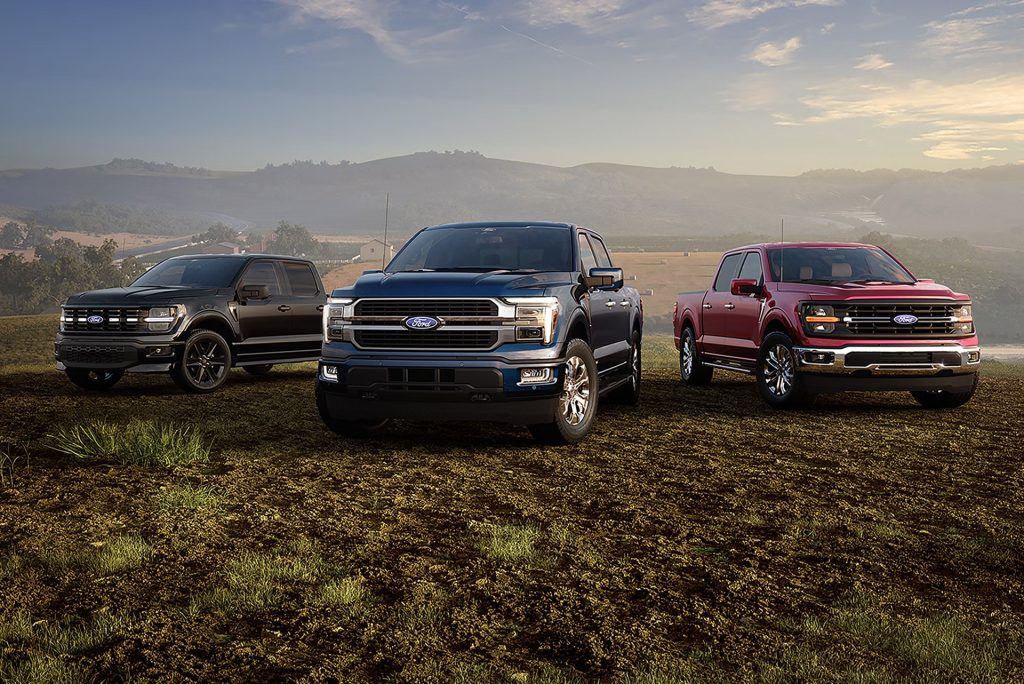
The exterior features a redesigned grille and updated headlight assemblies that give the truck a slightly more aggressive look while keeping the F-150’s unmistakable profile. Two fresh colors joined the lineup: Avalanche and Argon Blue Metallic. Inside, you’ll discover better materials where your hands touch most often and smarter storage throughout the cabin, though the overall layout stays familiar.
One configuration shift deserves special mention because it significantly impacts price comparisons. The XLT SuperCrew with 5.5-foot box now comes standard with the 3.5L EcoBoost V6 and 4×2 drivetrain. The 2025 version of that exact configuration included the 5.0L V8 and 4×4 as standard. Both options remain available on the 2026, just as paid upgrades now. This means comparing base prices between years requires accounting for different included features.
Design Refinements Inside and Out
Exterior Styling and Visual Changes
The 2026 F-150 keeps the truck’s commanding presence while polishing details that grab your attention during a walk-around. The front end showcases a new grille pattern with updated texturing and finish options that vary by trim level. Headlight clusters got completely redesigned LED elements that create sharper illumination patterns for nighttime driving.
Upper trims feature chrome accents and distinctive lighting signatures that separate them from work-focused models. The design philosophy stays rugged and functional, steering clear of dramatic styling changes that might alienate buyers who appreciate the F-150’s traditional stance.
Color options expanded with Avalanche, a metallic finish that looks particularly sharp on higher trims, and Argon Blue Metallic, which gives XLT and STX models a more polished appearance.
Interior Upgrades and Comfort Improvements
Climb into the 2026 model and you’ll immediately feel improved material quality where it counts most: door pulls, armrests, and steering wheel surfaces. The center console received a complete redesign with better organization for phones, wallets, and everyday items. Ambient lighting adjustments make nighttime driving less tiring on your eyes.
Storage solutions throughout got rethought based on customer feedback. Door pockets now handle larger water bottles, and under-seat storage in SuperCrew configurations gained extra depth. These tweaks might sound trivial until you’re using the truck daily and notice how much smoother your routine becomes.
Digital displays carried over from 2025 but feature updated graphics and faster response times thanks to software improvements. The gauge cluster remains highly customizable, letting you prioritize information most relevant to your driving style. When towing, you can quickly access trailer-specific data without digging through multiple menus.
Technology and Safety: What’s Been Enhanced
BlueCruise Availability Expansion
The biggest technology shift involves BlueCruise availability. This hands-free driving system now comes as an option on XLT trims, dramatically reducing the entry point for this technology. Before, you needed Lariat or higher trims, which meant a substantial price jump for buyers mainly interested in that feature.
BlueCruise operates on pre-mapped divided highways, monitoring road conditions and traffic while letting you take your hands off the wheel during appropriate stretches. For Philadelphia-area commuters regularly using I-476 or the Pennsylvania Turnpike, this system cuts down fatigue during longer drives. The 2026 version includes updated mapping data and improved lane-centering behavior.
Infotainment and Safety Refinements
SYNC 4 received behind-the-scenes improvements that make the infotainment system respond faster to your inputs. Switching between navigation, audio controls, and vehicle settings happens with much less lag. Voice recognition also got better, handling more natural commands without requiring robot-precise phrasing.
Co-Pilot360 safety features mostly carried over unchanged, though software adjustments made the alerts more accurate. The system now gives earlier warnings when approaching vehicles too quickly, and automatic emergency braking engages more smoothly when detecting potential collisions. These refinements cut down false alerts while maintaining protective response when real hazards appear.
Performance and Capability for Real-World Driving
Engine Options and Power Output
The 2026 and 2025 F-150 share identical engine lineups, providing multiple powertrain choices to match different needs:
| Engine | Availability (Both Years) | Key Characteristics |
| 2.7L EcoBoost V6 | Available | Balance of power and efficiency for daily driving and light towing |
| 3.5L EcoBoost V6 | Available | Strong towing and acceleration; common choice for heavier trailers |
| 3.5L PowerBoost Full Hybrid V6 | Available | Combines towing strength with improved fuel efficiency and onboard power |
| 5.0L V8 | Available | Traditional V8 feel and sound; strong payload and towing |
| 3.5L High Output EcoBoost V6 | Performance trims | Higher output for off-road and performance-oriented models |
| 5.2L Supercharged V8 | Top performance trims | Maximum performance in specialized variants |
What shifted between model years wasn’t the engines but their calibration. The 2026 Ford F-150 performance benefits from transmission tuning that smooths acceleration curves, which becomes obvious when merging onto highways or pulling away from stoplights with a loaded bed. Throttle response got refined to feel more predictable, giving you better control when maneuvering in tight parking areas.
PowerBoost hybrid models received attention too. The switch between electric and gasoline power happens more seamlessly, and the Pro Power Onboard system fires up faster when you connect tools or equipment.
Towing and Payload: What Jenkintown Drivers Need to Know
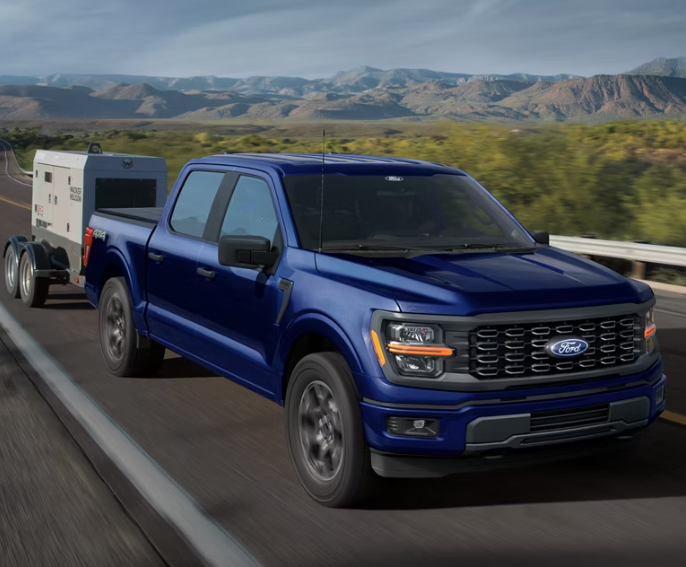
Maximum towing stays around 13,500 pounds when properly equipped, identical to 2025. Where the 2026 model sets itself apart is how that capability feels during actual towing. Trailer sway mitigation got calibration updates that respond more smoothly to crosswinds or sudden lane changes, crucial when hauling recreational trailers toward the Poconos on breezy days.
The integrated trailer brake controller provides more precise control, making it easier to maintain smooth stops without feeling the trailer push the truck. Backing with trailers also improved thanks to refined steering calibrations that make corrections less jerky when using Pro Trailer Backup Assist.
Payload capacity varies by configuration but stays competitive across both model years. Bed dimensions haven’t changed: you still get 50.6 inches between wheel wells and 66.9 inches overall width, fitting standard construction materials and equipment perfectly. Available bed lengths include 5.5-foot, 6.5-foot, and 8-foot options depending on cab choice.
Trim Levels, Configurations, and Pricing
Available Trims and Package Updates
The 2026 F-150 keeps the complete trim spectrum: XLT, Lariat, King Ranch, Platinum, and Tremor. Each trim maintains its unique personality, from XLT’s work-focused capability to Platinum’s premium comfort. The biggest change involves which features come standard at each level rather than complete trim restructuring.
BlueCruise availability on XLT represents the most significant package change, giving buyers access to hands-free driving without jumping to Lariat. This shifts the value calculation for buyers who want advanced technology but don’t need leather seats or premium audio that come with higher trims.
SuperCab and SuperCrew body styles continue with various bed length combinations, though certain configurations link with specific drivetrains. The XLT SuperCrew 5.5-foot box change we mentioned earlier (from standard V8 and 4×4 to standard EcoBoost and 4×2) affects how you should compare pricing between model years.
How 2026 Pricing Compares to the 2025 Model
Understanding pricing requires looking past base MSRP numbers. Base pricing for 2026 increased slightly, but you’re comparing trucks with different standard equipment. A 2026 XLT SuperCrew starts with 3.5L EcoBoost and 4×2, while the equivalent 2025 included 5.0L V8 and 4×4 as standard.
If you configure a 2026 model to match the 2025’s standard setup (adding the V8 and upgrading to 4×4), the price difference reflects both model year increases and option costs. On the flip side, if you’re fine with EcoBoost power and rear-wheel drive, the 2026 F-150 might offer better value by not forcing you to pay for features you won’t use.
Early signals suggest buyers shopping mid to upper trims will see modest increases that match the added technology and refinements, while value-focused shoppers might find the 2025 model year delivering stronger immediate savings.
Deciding Between the 2026 and 2025 Ford F-150
When Upgrading to the 2026 F-150 Makes Sense
Pick the 2026 model if you’re prioritizing the latest calibrations and technology access. BlueCruise expansion to XLT trim creates a strong case for buyers wanting hands-free driving without paying for premium trim features they won’t use. If your commute includes regular stretches on divided highways, that technology provides real convenience.
The refined driving dynamics matter more to certain buyers. If you regularly tow trailers for work or recreation, the improved sway mitigation and smoother throttle response add up to a noticeably more refined experience over thousands of miles.
Buyers who value having the newest styling and interior updates will appreciate the 2026’s refreshed look and better material quality. If you plan keeping your F-150 for many years, starting with the latest refinements means you’re not immediately behind on features.
When the 2025 F-150 Is the Smarter Choice
The 2025 Ford F-150 remains an excellent choice for buyers focused on proven capability at potentially better pricing. If you prefer having the V8 and 4×4 as standard equipment on certain configurations, the 2025 XLT SuperCrew delivers those features without requiring option upgrades. For work truck buyers who prioritize traditional powertrain setups, this matters significantly.
Value-conscious shoppers will discover that 2025 models offer all the core F-150 capability that made this truck America’s bestseller, just without the latest calibration refinements and expanded technology options. The fundamental truck (its towing capacity, payload ratings, bed utility, and proven reliability) stays unchanged.
Buyers who don’t regularly use divided highways won’t gain much from BlueCruise availability, making that technology expansion less relevant to their decision. Similarly, if you’re mainly using your F-150 for local work or occasional recreational towing, the calibration refinements provide diminishing returns compared to potential cost savings from choosing remaining 2025 inventory.
Explore F-150 Options at John Kennedy Ford Jenkintown
Compare and Test Drive Both Model Years
We encourage experiencing both model years in person at our dealership on The Fairway in Jenkintown. Side-by-side comparisons reveal differences that spec sheets can’t fully capture, particularly the calibration improvements in throttle response and transmission behavior. Our inventory of new F-150 models includes both 2025 and arriving 2026 trucks in various configurations.
Test drives prove especially valuable when evaluating the changes. The refinements in acceleration smoothness and towing stability become apparent during actual driving. Schedule time behind the wheel of both model years to feel the differences yourself.
Pricing, Configurations, and Ongoing Support
As part of the John Kennedy family of dealerships with eight locations across southeastern Pennsylvania, we maintain extensive inventory that gives you genuine choice when comparing model years. Our team can walk you through how the configuration changes affect pricing and help determine which features matter most for your specific needs.
Beyond new truck sales, we provide comprehensive financing support, trade-in evaluations, and ongoing service through our certified technicians. Whether you choose a 2025 or 2026 F-150, you’ll have access to genuine Ford parts and expertise that keeps your truck performing reliably for years. Visit us at 1650 The Fairway, call our sales team at 267-361-1455, or explore our full selection of Ford trucks to start your comparison today.
Connect with us


- August 2026
- July 2026
- June 2026
- April 2026
- March 2026
- February 2026
- January 2026
- December 2025
- November 2025
- October 2025
- September 2025
- August 2025
- July 2025
- June 2025
- May 2025
- April 2025
- March 2025
- February 2025
- January 2025
- December 2024
- November 2024
- October 2024
- September 2024
- August 2024
- April 2024
- March 2024
- February 2024